
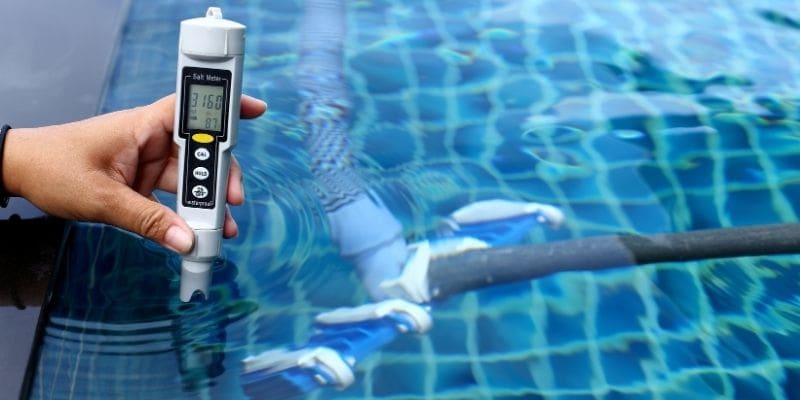
A standard home inspection in Texas does not cover the swimming pool in any meaningful way. Most general inspectors will note that a pool exists, confirm the equipment turns on, and move along. Pool and spa evaluation is explicitly an optional add-on under the state’s standards of practice, and many inspectors are not qualified to perform one.
That gap matters, because a pool is one of the most expensive systems on a residential property. A failing plaster shell, a leaking main drain line, or a cracked heater can each run into five figures. Discovering any of them the week after closing is a bad way to start life in a new house.
If you are buying a home with a pool anywhere in the Austin area, a dedicated pool inspection is one of the cheapest pieces of insurance you can buy during the option period.
What a General Home Inspector Will Not Tell You
A general inspection is broad by design. What it typically does not include is pressure testing the underground plumbing, evaluating whether the plaster or pebble finish is near the end of its service life, assessing structural cracking in the shell, determining the actual age and remaining life of the pump, filter, and heater, or verifying that the bonding grid and electrical work meet current requirements.
None of that is a criticism of home inspectors. It is simply outside the scope of the report you are paying for.
What Actually Gets Checked in a Pool Inspection
Structure and shell. The inspector looks for cracks and distinguishes between the two kinds that matter. Surface crazing in plaster is cosmetic and extremely common. Structural cracks in the gunite shell, particularly ones that run vertically or continue up through the tile line, are a different problem entirely and can be very expensive.
This is where Austin geology becomes relevant. Much of the region sits on expansive clay that swells and shrinks dramatically between wet and dry cycles, and our drought-then-deluge rainfall pattern makes that movement severe. Soil movement is one of the leading causes of shell cracking and pipe separation in Central Texas pools. A pool that looks fine in a listing photo may have been moving for years.
Interior finish. Plaster generally lasts somewhere between seven and fifteen years depending on water chemistry and maintenance. Pebble and quartz finishes last longer. An inspector estimates remaining life from staining, rough patches, exposed aggregate, delamination, and hollow spots. If the finish has two years left, that is a real number you should be factoring into your offer.
Tile, coping, and decking. Loose or missing tile, failed grout, separated coping stones, and deteriorated expansion joint mastic between the coping and deck all get noted. That mastic joint sounds trivial but is not — when it fails, water runs behind the shell and erodes the fill beneath the deck.
Equipment. Pump, filter, heater, automation, salt cell, timers, and valves are inspected and their ages identified from date codes. Equipment has a predictable service life, and knowing that a heater is fourteen years old changes what the pool is worth to you.
Plumbing and water loss. This is the part most buyers care about most, and rightly so.
Safety and code. Barrier and gate compliance, self-closing and self-latching hardware, anti-entrapment drain covers required under the Virginia Graeme Baker Act, GFCI protection, and equipment bonding.
Why Leak Testing Belongs in the Inspection
An underground plumbing leak is the single most expensive problem a pool inspection can uncover, and it is also the easiest one for a seller to conceal — intentionally or not. A pool that is topped off by an autofill valve will hold a perfect water level while losing hundreds of gallons a week beneath the deck.
Signs a buyer can look for during a showing: unusually lush or soggy patches of lawn near the pool, settling or unevenness in the deck, a water bill that seems high for the property, visible efflorescence or staining on retaining walls below the pool, and an autofill line that appears to run constantly.
Proper testing goes well beyond a visual look. Pressure testing individual plumbing lines isolates whether the skimmer, main drain, returns, or cleaner line are holding. Electronic and acoustic listening equipment locates a leak’s position without excavation. Dye testing at fittings, light niches, and cracks confirms whether water is moving through a specific defect.
Our pool leak detection service uses exactly these methods, and our guide on how to detect a leak in an inground pool in Austin walks through what the process involves in more detail.
One practical note for buyers: ask the seller or listing agent to disable the autofill for a couple of days before the inspection if the timeline allows. It is a small request and it makes any water loss immediately visible rather than hidden. If that request is refused without a clear reason, that in itself is information.
Equipment Age Is the Number Nobody Volunteers
Pool equipment carries date codes, and reading them takes about a minute — but they rarely appear in a listing.
Pumps typically last somewhere in the range of eight to twelve years, filters longer with periodic media replacement, heaters often less than either, and salt chlorine generators need cell replacement on a predictable cycle. Automation panels have their own obsolescence problem, since older systems eventually lose manufacturer support and replacement boards become scarce.
None of this makes a pool a bad buy. What it does is set expectations. A pool with a two-year-old variable-speed pump, a recent filter, and a five-year-old finish sits in a very different financial position from one where every component dates to the original construction fifteen years ago, even though both may run perfectly on the day you tour the house.
What Ownership Actually Costs After You Close
An inspection is also a budgeting exercise, and this is the part buyers most often skip.
Routine chemicals, electricity, and water for an average Austin pool add up to a meaningful monthly figure on their own, and that figure climbs in a summer where the pool is losing an inch a day to evaporation. On top of that sit the cyclical costs: a variable-speed pump has a service life measured in years rather than decades, filters need media replaced, heaters fail, salt cells wear out, and the interior finish eventually needs replacing regardless of how well the pool is maintained.
A good inspection report tells you roughly where each of those items sits in its lifecycle. That converts a vague worry into a schedule — resurface in three years, pump in two, heater probably fine for another five. Buyers who go in with that picture rarely feel blindsided. Buyers who skip it often discover three of those items are due simultaneously.
Choosing Who Performs the Inspection
Not everyone offering pool inspections does the same work, and the difference shows up in what the report contains.
Ask whether pressure testing of the plumbing lines is included or offered as an add-on, since a visual-only inspection cannot rule out an underground leak. Ask whether the inspector actually works on pools for a living, because someone who repairs shells and replumbs lines reads a crack differently than someone following a checklist. Ask whether the report includes photographs and estimated remaining service life on major components, rather than simply marking items pass or fail.
Finally, ask about turnaround. In a market where option periods can be a week, a report that arrives on day six is not much use to you.
Red Flags Worth Slowing Down For
- A pool that has been recently drained or is being refilled during the listing period
- Fresh plaster patches, particularly localized ones around fittings
- An autofill valve that runs frequently
- Equipment that has clearly been replaced very recently on an otherwise neglected pool
- A seller who cannot produce any service history
- Soft or spongy ground anywhere within about ten feet of the shell
- Cracked or heaved decking on one side of the pool
None of these is automatically a dealbreaker. All of them warrant a specific answer before you waive your option period.
Using the Report
A pool inspection produces a written report with photographs and, ideally, estimated remaining life on major components. That document has three uses.
It tells you whether to proceed at all. It gives you a basis to negotiate — either a price reduction or a seller repair, and in Texas real estate practice a documented pool defect is a normal and reasonable thing to bring back to the table. And it gives you a maintenance roadmap for the first several years of ownership, which is genuinely useful even when everything checks out.
Typical inspection cost is small relative to what it protects. Set against a resurfacing job or an underground plumbing repair, it is not a close call.
Schedule It Early in the Option Period
Option periods in the Austin market are short, and pool inspections need to be booked alongside the general inspection rather than after it. Bring your agent into that conversation early.
McTarga Pools has served Austin and the surrounding area for years with leak detection, pool repairs, remodeling, and pre-purchase pool inspections. If you are under contract on a home with a pool, call (512) 998-1188 to get on the schedule before your option period runs out.