
A backyard pool is one of the best features a Central Texas home can have. On a 100-degree afternoon in Austin, Round Rock, or Cedar Park, it can feel like the reason you bought the house.
But a pool is also a complex system of plaster, tile, plumbing, pumps, filters, and electrical parts — much of it hidden underground or underwater. If something is wrong, repairs can add up quickly. That’s why a dedicated pool inspection before closing is one of the smartest steps a buyer can take.
Isn’t the Pool Covered in My Home Inspection?
Usually not in depth. A general home inspector may note obvious issues like visible cracks or equipment that doesn’t turn on, but most home inspections don’t include detailed pool evaluation. Hidden leaks in underground plumbing, pressure-test results, and the true condition of the plaster are typically outside their scope.
A pool specialist focuses only on the pool — and knows exactly where problems tend to hide.
What a Pre-Purchase Pool Inspection Looks At
Water Loss and Leaks
Leaks are among the most expensive and least visible pool problems. A pool that looks full during a showing may have been topped off that morning. An inspection can include checking for signs of water loss and, where needed, leak detection and pressure testing of plumbing lines. If you’ve never dealt with a leak before, read can a pool leak cause damage in Austin.
Plaster and Interior Surface
Rough patches, stains, etching, delamination (hollow-sounding areas), and exposed gunite are signs the surface may need repair or replastering soon. Learn more in how pool plaster repair keeps your Austin pool looking brand new.
Tile and Waterline
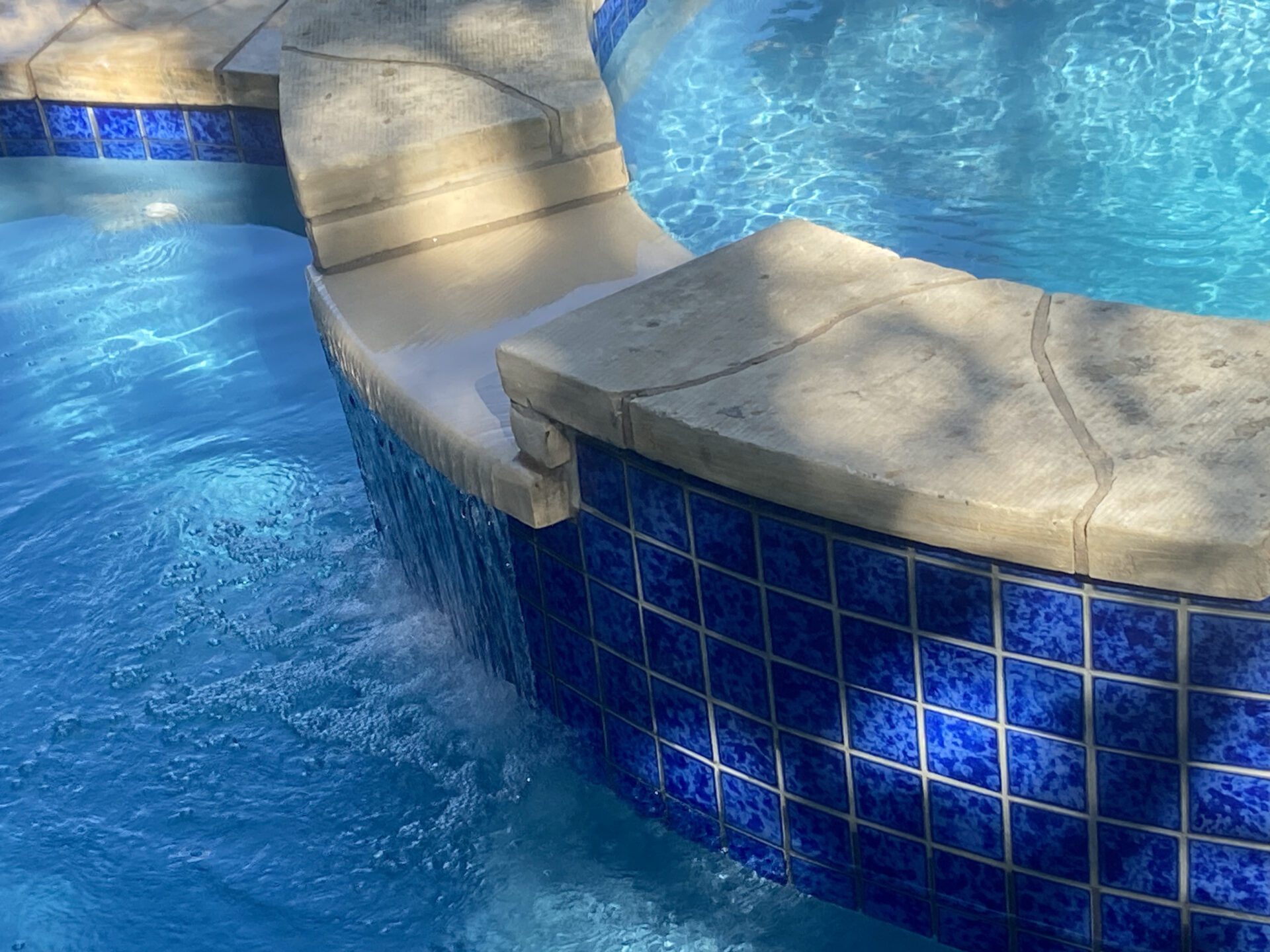
Cracked, loose, or missing tiles can let water behind the surface. See top signs you need pool tile repair.
Coping and Deck
Cracks, gaps, and separation between the coping and deck can allow water to get behind the pool shell. In Austin, shifting clay soil makes this especially important.
Equipment
The pump, filter, heater, chlorinator, automation, and valves are checked for proper operation, leaks, corrosion, unusual noises, and age. Replacing major equipment can be a significant expense, so it’s worth knowing its condition upfront.
Skimmers, Returns, and Drains
Cracked skimmers are a common leak source. Missing or damaged skimmer lids can also be a safety issue — we explain why in our post on pool skimmer lids on the blog.
Safety Features
Handrails, steps, lighting, drain covers, and barriers should be in good working order, especially if you have children or older family members. See our pool handrail installation services.
Red Flags to Watch for During Showings
Even before the inspection, keep an eye out for:
- Water level noticeably below the middle of the skimmer opening
- Wet or soggy spots in the yard near the pool or equipment pad
- Fresh patches on plaster or tile that may be hiding repairs
- Cracks in the deck or coping
- Green, cloudy, or freshly drained pools — sellers sometimes drain pools, which hides leaks and surface problems
- Equipment that is very loud, leaking, or heavily rusted
If you see these signs, it doesn’t mean you should walk away. It means you need better information. Our guide on common pool problems homeowners face can help you understand what you’re looking at.
A Simple Test Sellers Can Allow
If the pool is running and the seller agrees, a bucket test can help separate evaporation from a leak. We explain the steps in how to test for a pool leak at home in Austin. It’s not a substitute for professional testing, but it can offer an early clue.
How the Inspection Helps You Negotiate
Texas purchase contracts often include an option period — a window to inspect and decide. A pool inspection during that time gives you facts you can use to:
- Request repairs from the seller
- Negotiate a lower price or credit
- Budget realistically for upcoming work like replastering or equipment replacement
- Walk away if the problems are bigger than you’re comfortable taking on
Always check your specific contract terms and deadlines with your real estate agent.
After You Move In
If the inspection shows the pool needs work, don’t panic. Many issues are more manageable than buyers expect — read why pool repair is more affordable than you think. And if the pool looks dated, a remodel can transform it. Explore our pool remodeling services and pool repair services.
Get a Clear Picture Before You Buy
McTarga Pools is a family-owned Austin company specializing in pool leak detection, inspections, repairs, and remodeling. Learn more about us.
Contact McTarga Pools or call (512) 998-1188 to schedule a pool inspection before you close on your new home.