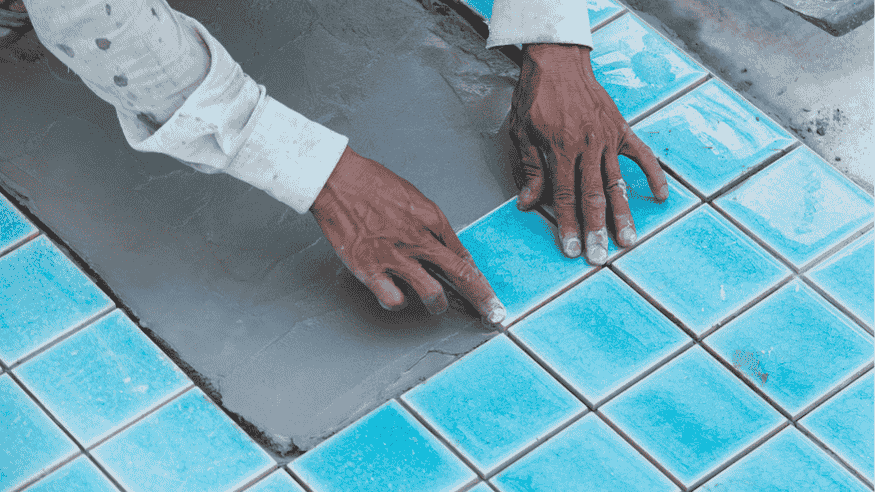
Your swimming pool is one of the most visible and valuable features of your home. While most homeowners focus on water clarity and equipment, pool tiles are often overlooked—until something goes wrong. Cracked, loose, or missing tiles are not just cosmetic issues. Ignoring them can lead to leaks, structural damage, and significantly higher repair costs later. That’s why pool tile repair at the right time can save you stress and money.
Below are the most common warning signs that indicate your pool tiles need attention—before the damage escalates.
Cracked or Chipped Pool Tiles
One of the earliest and most visible signs of trouble is cracking or chipping along the waterline or pool edges. These cracks may start small, often caused by ground movement, aging materials, or repeated exposure to heat and chemicals. Over time, water can seep behind damaged tiles, weakening the bond and spreading the problem further. Prompt swimming pool tile repair helps stop this progression early.
Loose or Falling Tiles
If tiles move when touched or have already fallen off into your pool, the issue goes deeper than surface wear. Loose tiles usually indicate failing adhesive or moisture intrusion behind the tile bed. Waiting too long often leads homeowners to consider full pool tile replacement, which is far more expensive than early repairs.
Rough or Sharp Tile Edges
Tiles should feel smooth. If you notice sharp edges, uneven surfaces, or areas that feel uncomfortable underfoot, repairs shouldn’t be delayed. These damaged areas are not only unsafe for swimmers but can also signal underlying deterioration. Addressing them early helps maintain both safety and aesthetics.
Visible Gaps or Missing Grout
Grout plays a critical role in sealing tiles and keeping water out. Missing, cracked, or crumbling grout allows moisture to penetrate behind tiles, increasing the risk of detachment and leaks. When grout failure spreads, tile damage accelerates, making pool tile restoration a smarter preventative solution than ignoring the issue.
Stains That Won’t Go Away
Dark lines, calcium buildup, or persistent stains along pool tiles are often mistaken for simple dirt. In reality, these stains can be signs of water chemistry issues or porous, aging tile surfaces. While cleaning may help temporarily, recurring stains often mean the tiles or grout are breaking down and need professional evaluation.
Water Level Dropping Faster Than Normal
Unexpected water loss is a red flag. While evaporation is normal, consistent water loss could be linked to tile cracks allowing water to escape behind the pool shell. Early pool tile repair can prevent leaks from spreading to plumbing lines or the pool structure itself.
Outdated or Worn Tile Appearance
Sometimes the issue isn’t damage, but age. Old tiles fade, discolor, and date the entire backyard. Pool owners often combine repairs with partial upgrades to refresh the look without committing to full renovations. In these cases, understanding the pool tile replacement cost helps homeowners plan updates without surprises.
Increased Maintenance and Cleaning Effort
If you find yourself scrubbing tiles more often or battling algae around damaged areas, it’s not just a maintenance issue. Compromised tiles create surfaces where bacteria and buildup thrive. Repairing tiles restores smooth finishes that are easier to clean and maintain.
Minor Issues Becoming Frequent Problems
A single replaced tile every few months might seem harmless—but recurring tile issues usually point to a larger bonding or surface failure. Catching the pattern early allows for targeted repairs rather than large-scale replacements later.
When Professional Help Matters
If you notice one or more of these signs, scheduling professional swimming pool tile repair is the safest next step. A trusted Pool Repairs Service in Austin can assess whether localized repair, restoration, or partial replacement is the best approach—saving you from unnecessary costs and long-term damage.
A Smarter Way to Protect Your Pool
At McTarga Pools, experienced technicians help homeowners identify tile problems early and provide durable, cost-effective repair solutions tailored to your pool’s condition. By addressing tile damage at the right time, you keep your pool safe, attractive, and functional for years to come.
Final Thoughts
Pool tile problems rarely fix themselves. What begins as a small crack or loose tile can quickly turn into structural damage or costly renovations. Staying alert to these early warning signs and investing in timely pool tile repair ensures your pool remains a source of enjoyment—not unexpected expense.